AI SAAS · TRADES
ScopeCrafters
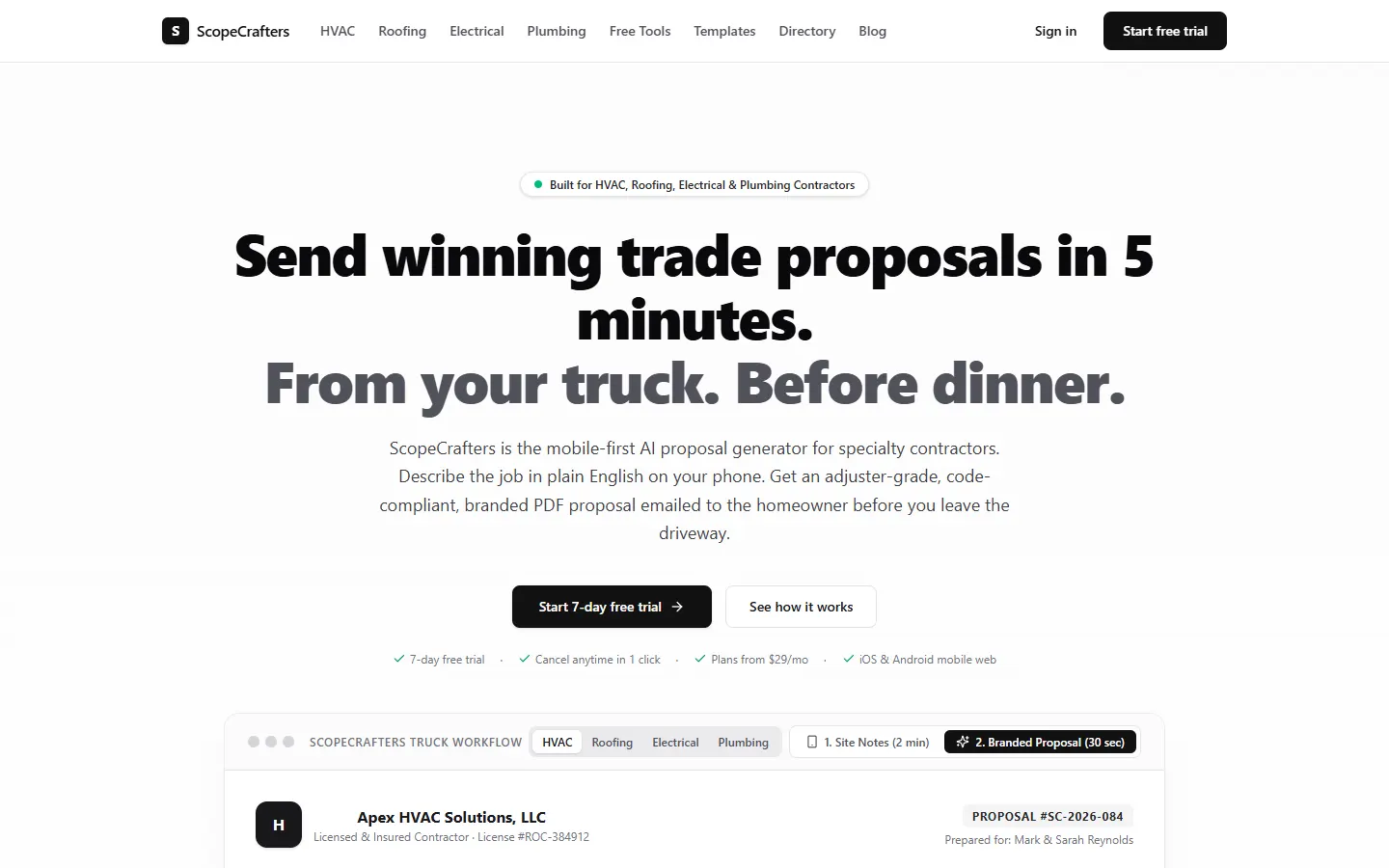
AI proposal writer for HVAC, roofing, electrical and plumbing contractors. Site visit to branded PDF proposal in 5 minutes.
- Next.js 15
- Supabase
- AI model
- PDF generation

Our portfolio starts with our own products. ScopeCrafters and ContentVo are live AI SaaS products with paying plans, built by Cyphorux on the same stack and process we use for client work. Each case study covers the problem, the architecture, what we cut, and what we learned.
AI proposal writer for HVAC, roofing, electrical and plumbing contractors. Site visit to branded PDF proposal in 5 minutes.
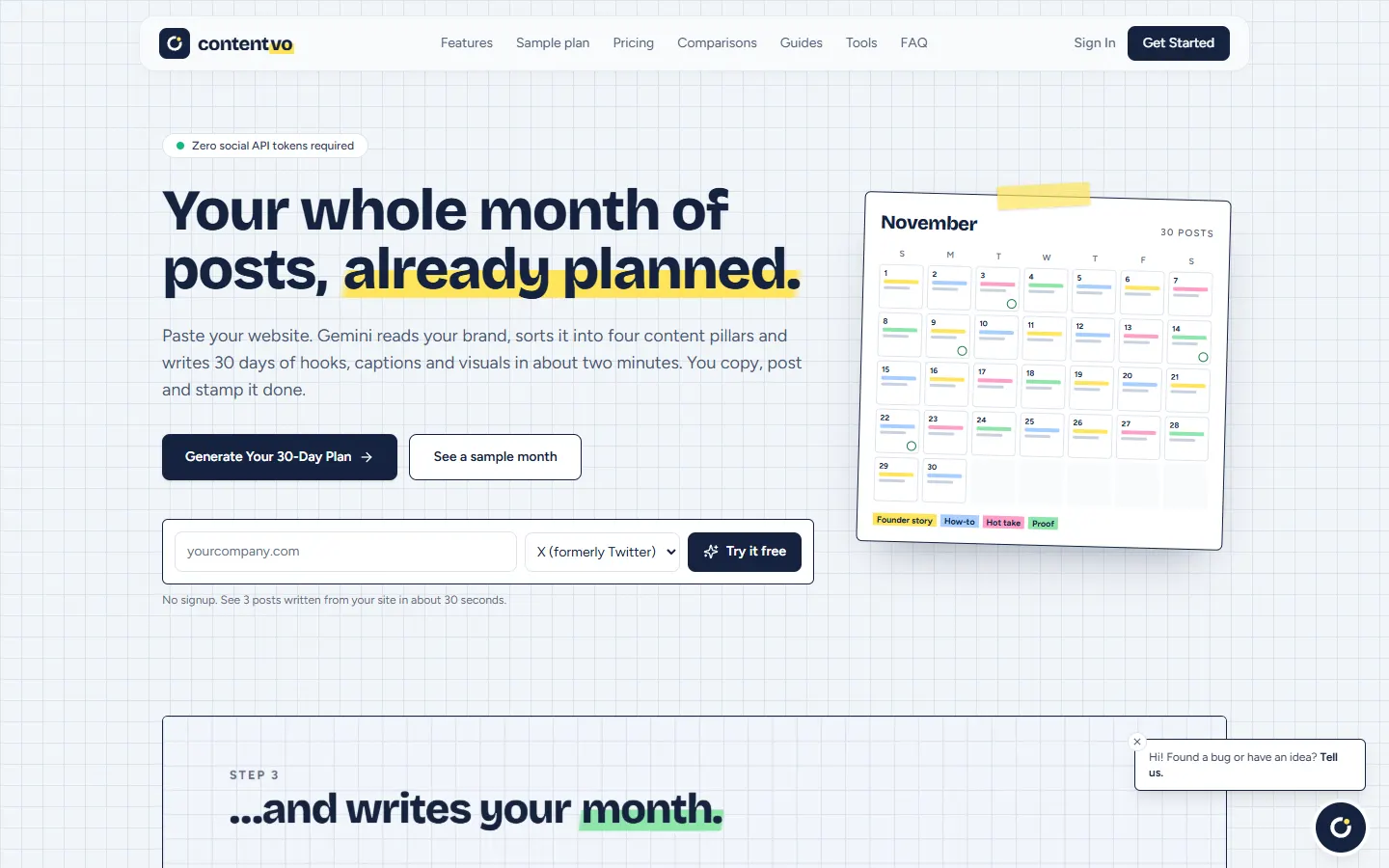
Paste a company URL, get a branded 30-day social content calendar with AI visuals in under 2 minutes.
Agency portfolios are hard to verify. A logo wall doesn't tell you who did the work, what the work was, or whether the thing still runs. We'd rather show products you can open right now, sign up for, and judge yourself.
Running our own products also keeps us honest about the parts of software that only show up after launch: billing edge cases, AI cost per user, prompts that drift, pages that don't get indexed. Every one of those lessons goes into client work before it becomes a client's problem.
Both products were built by the founder, Hamza Bashir, who also built AI agent and omnichannel support infrastructure serving more than 500,000 customers for a national highway operator. The products are where we try ideas first. Client engagements get the versions that worked.
Both products request structured output from the AI model and validate it before it's saved or shown. A response that doesn't match the schema is rejected rather than rendered.
Every table has Postgres row-level security tied to the signed-in user or workspace. An application bug can't leak one customer's data to another.
Plans change only when the billing provider's signed webhook says so. That is why moving both products from Stripe to Polar was a contained change.
Next.js route handlers on Vercel, Supabase for data, auth and storage. No separate API service, no queue, no worker fleet until the product needs one.
Free tools, programmatic pages from typed data, comparison hubs, sitemaps, structured data and llms.txt ship with the product, not as an afterthought.
Dates below come from each product's git history, not from memory. They show how quickly a focused scope moves when the out-of-scope list is respected, and what happens after launch: most of the work is billing, hardening and growth, not new features.
Each case study maps to a service. If you're planning an AI-native product like ScopeCrafters, start with AI product development. If you need a SaaS MVP that can take payments on launch day like ContentVo, start with SaaS MVP development.
Tell us about the product you want to build. We'll reply with honest questions about scope, timeline and fit.
SSttaarrtt aa pprroojjeecctt